Evaluating the Black Bat Vector for Creative Projects
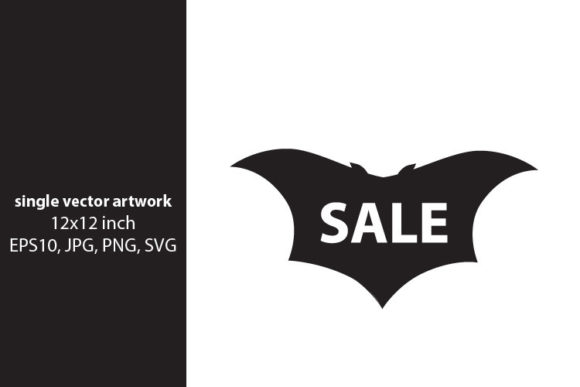
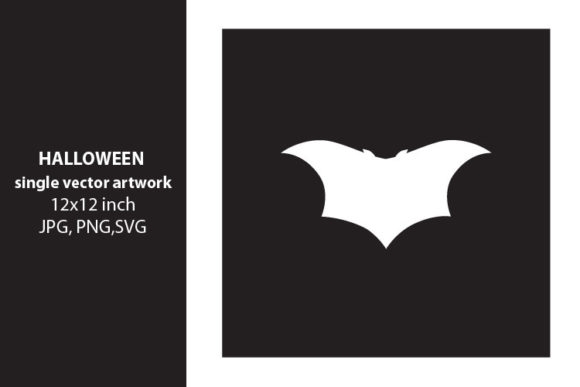
In the realm of digital design and handmade crafts, selecting the right graphic element is a critical step that influences the quality and versatility of the final product. The Black Bat single vector artwork represents a specific category of digital assets designed to bridge the gap between professional graphic design requirements and accessible DIY crafting. This article evaluates the characteristics, applications, and practical considerations of utilizing this specific 12x12 inch, 300 DPI RGB asset to help creators determine if it aligns with their project goals.
Understanding the Asset Specifications
At its core, the Black Bat graphic is a high-resolution digital file intended for multi-purpose use. Unlike low-resolution web clips that often pixelate when enlarged, this asset is provided in a Zip file containing three distinct formats: one SVG file, one JPG file at 300 DPI, and one PNG file at 300 DPI with a transparent background. The artboard size is standardized at 12x12 inches, a dimension particularly relevant for scrapbooking and standard craft cutting mats.
The inclusion of the SVG (Scalable Vector Graphics) format is the most significant technical feature. Vector files differ fundamentally from raster images (like standard photos) because they are defined by mathematical paths rather than pixels. This means the Black Bat silhouette can be scaled up to the size of a building or down to the size of a stamp without any loss of clarity or edge definition. For users employing cutting machines such as Cricut or Silhouette, the SVG format is essential for generating clean cut lines.
Conversely, the included PNG and JPG files serve different functions. The 300 DPI resolution ensures that if the image is printed directly onto paper or fabric, the edges remain crisp and free of jagged artifacts. The transparent background on the PNG file allows for immediate layering over colored papers or digital backgrounds without the need for manual background removal, a time-consuming process that often yields imperfect results.
Practical Applications and Use Cases
The versatility of the Black Bat vector makes it suitable for a wide array of creative endeavors. Its primary strength lies in its adaptability across both physical and digital mediums.
- Logo Design and Branding: For businesses or personal brands seeking a mysterious, nocturnal, or Halloween-themed identity, this silhouette offers a ready-made foundation. The clean lines allow for easy modification in vector editing software like Adobe Illustrator or Inkscape.
- Wall Art and Home Decor: The 12x12 inch base size is ideal for creating framed prints, canvas art, or vinyl wall decals. The high resolution ensures that large-format printing remains professional.
- Handmade Craft Items: Crafters can utilize the SVG file to cut shapes from cardstock, heat transfer vinyl (HTV) for t-shirts, or adhesive vinyl for mugs and jars. The simplicity of the bat shape makes it forgiving for beginners while remaining elegant for advanced users.
- Stationery and Invitations: Whether for Halloween party invitations, birthday announcements, or themed greeting cards, the graphic integrates seamlessly into layout designs. The transparent PNG allows for immediate placement on digital invitation templates.
- Web and Graphic Design: Web designers can use the SVG for scalable icons that load quickly and look sharp on retina displays, while the JPG serves as a fallback for older systems or specific print-on-demand requirements.
Benefits of Using Pre-Made Vector Artwork
Opting for a pre-designed asset like the Black Bat offers several tangible benefits over creating artwork from scratch. The most obvious advantage is efficiency. Developing a balanced, symmetrical silhouette requires design skill and time. By utilizing a professionally prepared vector, creators can bypass the drafting phase and move immediately to production.
Furthermore, the color palette and style are pre-determined to be universally applicable. A solid black silhouette is neutral enough to fit into various color schemes without clashing. It acts as a strong visual anchor in a design, providing contrast against lighter backgrounds or serving as a bold statement piece on its own.
From a technical standpoint, receiving files in multiple formats eliminates compatibility issues. Not all software supports SVGs; some photo editors work best with PNGs. Having all three formats ensures that regardless of the tool being used—be it a word processor, a dedicated vector editor, or a simple photo viewer—the user has a compatible file ready to go.
Considerations and Tradeoffs
While the Black Bat vector is a robust tool, it is not the solution for every scenario. There are specific tradeoffs and limitations that buyers and users must evaluate before proceeding.
Lack of Uniqueness: Because this is a stock digital element, it is available to the public. If the goal is to create a highly unique, trademarkable logo that no one else in the world possesses, a generic bat silhouette may not suffice without significant modification. To make the design distinct, users should consider combining the bat with other elements, altering the shape, or using it as part of a larger composite illustration.
Color Limitations: The asset is described as a "Black Bat." While vectors can technically be recolored infinitely within design software, the provided JPG and PNG previews are fixed in black. Users who are not comfortable with vector editing software may find themselves limited to the black version unless they know how to manipulate the SVG code or use specific recoloring tools.
Resolution Constraints for Massive Scaling: Although the SVG is infinitely scalable, the accompanying PNG and JPG files are capped at 300 DPI based on the 12x12 inch artboard. If a user intends to print a billboard-sized banner using only the raster files (JPG/PNG), the image will become pixelated. For massive scale projects, reliance on the SVG file is mandatory.
Decision-Making Insights: Is This Right for You?
Determining whether to incorporate the Black Bat vector into your workflow depends largely on your specific objectives and technical capabilities.
This asset is a strong fit if:
- You need a quick, reliable graphic for seasonal projects, particularly around autumn or Halloween.
- You own a digital cutting machine and require an SVG file for vinyl or paper cutting.
- You are designing invitations or stationery where a clean, classic silhouette is preferred over a complex illustration.
- You lack the time or artistic confidence to draw a symmetrical bat from scratch but need a professional-looking result.
However, you might consider alternatives if:
- Your project requires a highly detailed, realistic bat with fur texture and shading, as a silhouette cannot provide this depth.
- You need an exclusive image for a major brand identity that cannot risk similarity with other designs using the same stock asset.
- You are working strictly in a CMYK print environment for commercial offset printing and are unsure how to convert RGB files properly (though most modern printers handle RGB inputs well, strict pre-press workflows may require native CMYK vectors).
Final Evaluation
The Black Bat single vector artwork serves as a functional, high-quality building block for a diverse range of creative projects. Its value proposition lies in the combination of scalability (via SVG), print-readiness (300 DPI raster files), and convenience (transparent backgrounds and multiple formats). For hobbyists, small business owners, and graphic designers looking to streamline their workflow, this asset removes technical barriers and allows for immediate creative execution.
By understanding the distinction between the vector and raster components included in the Zip file, users can maximize the utility of the download. Whether applied to a handmade card, a custom t-shirt, or a website icon, the Black Bat offers a timeless aesthetic that balances simplicity with impact. As with any stock element, the key to success lies in how the creator integrates the asset into a broader design context, ensuring that the final output meets the specific needs of the audience while maintaining a professional standard of quality.