Unlocking Creative Potential: A Guide to High-Resolution Mandala Digital Assets
In the ever-evolving landscape of digital design and handmade crafts, finding the perfect visual element can transform a simple project into a masterpiece. One such element that has captivated artists, designers, and hobbyists alike is the Mandala. Specifically, high-quality digital files featuring ornate Mandala patterns, available in JPG format at 300dpi with dimensions of 2000 x 2000 pixels in RGB color mode, have become essential tools for creators. This article explores what these digital assets are, why their technical specifications matter, and how you can leverage them across a vast array of creative endeavors, from wall art to web design.
Understanding the Mandala: More Than Just a Pattern
Before diving into the technicalities of file formats, it is important to understand the subject matter itself. The word "Mandala" is Sanskrit for "circle." Historically and spiritually, Mandalas represent the universe, wholeness, and unity. They are geometric configurations of symbols used in various spiritual traditions, particularly Hinduism and Buddhism, as aids to meditation and symbols of sacred space.
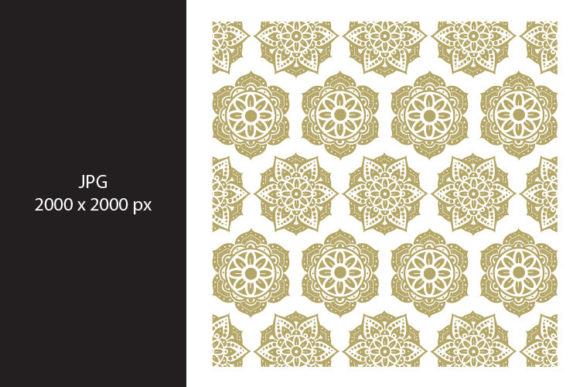
In the modern creative context, the Mandala ornate pattern has transcended its religious origins to become a universal symbol of balance, harmony, and intricate beauty. These designs are characterized by radial symmetry, where elements radiate from a central point, creating a mesmerizing visual effect. Whether you are a seasoned graphic designer or a beginner looking to start a crafting business, understanding the cultural weight and aesthetic appeal of the Mandala helps in using the imagery with respect and intention.
The Importance of Technical Specifications: 300dpi and RGB
When searching for digital graphics, you will often encounter a myriad of acronyms and numbers. To make the best use of a Mandala Ornate Pattern JPG 300dpi 2000 x 2000 px RGB, one must understand what these specifications mean for your final product.
Resolution and Clarity: The 300dpi Standard
DPI stands for "dots per inch." It is a measure of printing resolution. A file with 300dpi is considered the industry standard for high-quality printing. If you intend to create physical items like printed paper items, invitations cards, or large-scale wall art, this resolution is non-negotiable. Lower resolution images (such as 72dpi, which is common for web screens) will appear pixelated or blurry when printed. The 300dpi specification ensures that every intricate line and curve of the ornate Mandala remains crisp and clear, regardless of the size of the print within the limits of the pixel dimensions.
Dimensions: 2000 x 2000 Pixels
The dimensions 2000 x 2000 px indicate the total number of pixels in the image. This square format is perfectly suited for the radial nature of Mandalas. At 300dpi, a 2000-pixel image allows for a print size of approximately 6.6 inches by 6.6 inches. While this might seem modest, it is ideal for:
- Handmade cards and greeting card fronts.
- Stationery elements like gift tags or bookmarks.
- Party decor such as cupcake toppers or small signage.
- Digital overlays where the image can be scaled down without losing quality.
For larger projects, such as poster-sized wall art, designers often use these high-resolution elements as part of a larger collage or repeat pattern, ensuring the quality remains intact during the composition process.
Color Mode: RGB vs. CMYK
The file is provided in RGB (Red, Green, Blue) color mode. This is the native color space for digital screens, including computers, tablets, and smartphones. It is perfect for graphic and web design, social media posts, and digital invitations. However, a common misunderstanding arises when users attempt to print RGB files directly. Professional printers often prefer CMYK (Cyan, Magenta, Yellow, Key/Black) for physical production. While modern printers can handle RGB files, converting your design to CMYK before sending it to a professional print shop can ensure color accuracy, preventing vibrant digital blues from turning dull on paper. Most design software allows for easy conversion, but starting with a high-quality RGB source gives you the best data to work with.
Versatile Applications for Your Creative Projects
The true value of a Mandala Ornate Pattern lies in its versatility. Because these are digital graphics elements, they serve as building blocks for an endless variety of creations. Here is how you can integrate them into different aspects of modern life and business.
Elevating Handmade Crafts and Stationery
For artisans selling on platforms like Etsy or at local craft fairs, these digital elements are gold mines. You can print the Mandala onto high-quality cardstock to create unique handmade cards for weddings, birthdays, or holidays. By layering the printed Mandala with ribbons, beads, or embossing powder, you add texture and depth that digital files alone cannot provide. Furthermore, they are excellent for stationery sets. Imagine a notebook cover or a set of letterheads featuring a subtle, watermarked Mandala background, adding a touch of elegance to daily correspondence.
Event Planning and Party Decor
Planning a party? These graphics can streamline your party decor. Use the 2000x2000 px files to design cohesive announcements and invitations cards. The symmetrical nature of the Mandala makes it easy to frame text in the center or use as a border. You can also print these patterns on transfer paper to decorate plain napkins, plates, or fabric bunting, creating a custom theme for bohemian weddings, yoga retreats, or mindfulness workshops.
Graphic and Web Design
In the digital realm, these assets are equally powerful. Web designers can use the Mandala as a hero image background, a loading icon, or a decorative footer element. The intricate details draw the eye and can increase user engagement time on a website. For branding, a Mandala can be incorporated into a logo for businesses focused on wellness, spirituality, or organic products, conveying a sense of balance and trust. When used in graphic design, remember to utilize layers; you can change the color of the Mandala to match a client's brand palette or adjust the opacity to create a watermark effect.
Wall Art and Home Decor
The demand for personalized wall art is higher than ever. With a 300dpi file, you can print the Mandala on canvas, metal, or acrylic. Many creators sell these as "printables," allowing customers to download and print the art at home or at a local print shop. This low-overhead business model relies entirely on the quality of the source file. A sharp, high-resolution Mandala ensures that even when enlarged slightly or viewed up close, the artwork maintains its professional appearance.
Best Practices for Using Digital Graphics
To maximize the potential of your Mandala Ornate Pattern JPG, consider the following best practices:
- Software Selection: Use editing software that supports layers and high-resolution handling, such as Adobe Photoshop, Illustrator, or free alternatives like GIMP and Canva.
- File Management: Always keep a backup of the original 300dpi file. Work on copies to avoid accidentally saving over the master file with lower quality settings.
- Licensing Awareness: Ensure you understand the license terms of the digital asset. Some are for personal use only, while others allow for commercial use (selling items made with the design). Respecting intellectual property is crucial for maintaining integrity in the creative community.
- Experimentation: Don't be afraid to manipulate the image. Rotate it, flip it, combine multiple Mandalas, or blend them with textures like watercolor or grunge to create something entirely new.
Conclusion: Bridging Tradition and Technology
The availability of high-quality digital assets like the Mandala Ornate Pattern JPG 300dpi 2000 x 2000 px RGB represents a beautiful convergence of ancient symbolism and modern technology. These files democratize design, allowing anyone with a computer and a printer to produce professional-grade materials. Whether you are creating handmade craft items to sell, designing a website, or simply decorating your home, these versatile elements provide a foundation of beauty and balance.
By understanding the technical nuances of resolution and color modes, and by exploring the diverse applications from stationery to web design, you can unlock the full potential of these graphics. Embrace the intricate details of the Mandala, respect its heritage, and let your creativity flow into new and exciting projects. The circle is complete when your vision meets the right tools.